Climate change is a change in the pattern of weather, and related changes in oceans, land surfaces and ice
sheets,occurring over time scales of decades or longer
Weather is the state of the atmosphere—its temperature, humidity, wind, rainfall and so on—over hours to weeks.
It is
influenced by the oceans, land surfaces and ice sheets, which together with the atmosphere form what is
called the ‘climate system’. Climate, in its broadest sense, is the statistical description of the state of the
climate system.
Climate change is a change in the statistical properties of the climate system that persists for several
decades or
longer—usually at least 30 years. These statistical properties include averages, variability and
extremes.
Climate
change may be due to natural processes, such as changes in the Sun’s radiation, volcanoes or internal
variability in
the climate system, or due to human influences such as changes in the composition of the atmosphere or
land use.
Weather can be forecast with considerable skill up to about a week in advance. Short term fluctuations
in climate,such as droughts, can be predicted with limited skill from season to season. In contrast, changes
in
the
long-term
statistics of the climate system (climate change) can be predicted if caused by long-term influences
that are knownor predictable.
Cause
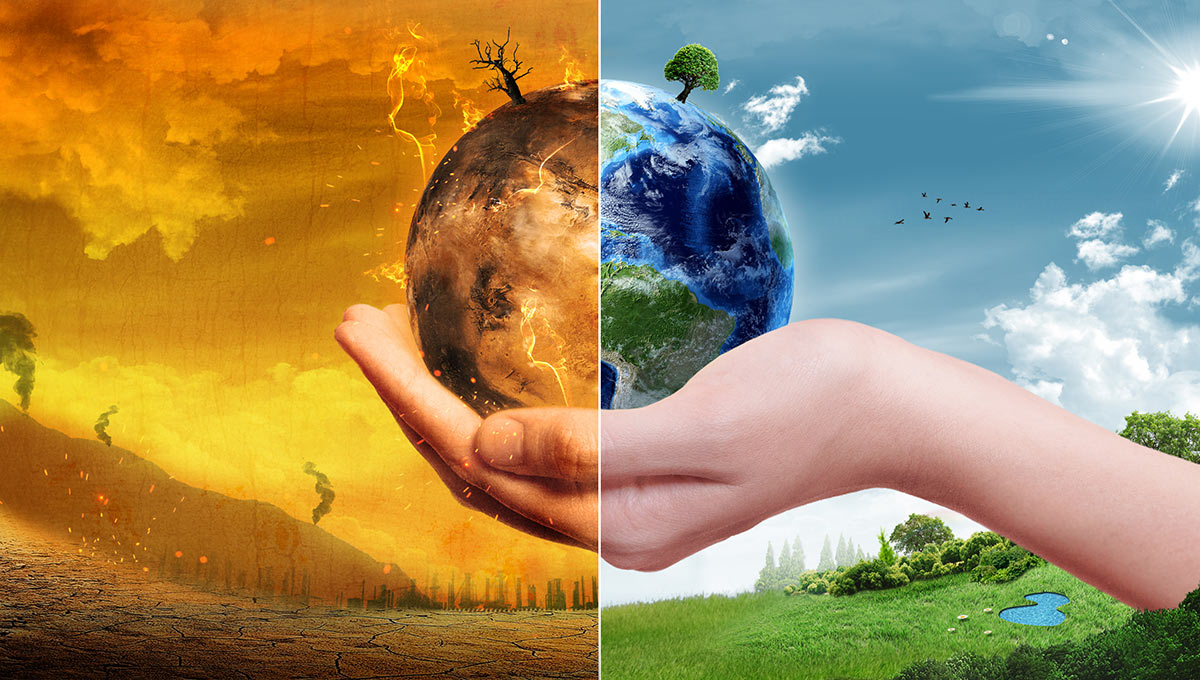
Greenhouses gases, such as carbon dioxide, trap heat in the atmosphere and regulate our climate. These
gases
exist
naturally, but humans add more carbon dioxide by burning fossil fuels for energy (coal, oil, and natural
gas)
and by
clearing forests. Greenhouse gases act like a blanket. The thicker the blanket, the warmer our planet
becomes.
At
the same time, the Earth’s oceans are also absorbing some of this extra carbon dioxide, making them more
acidic
and
less hospitable for sea life.
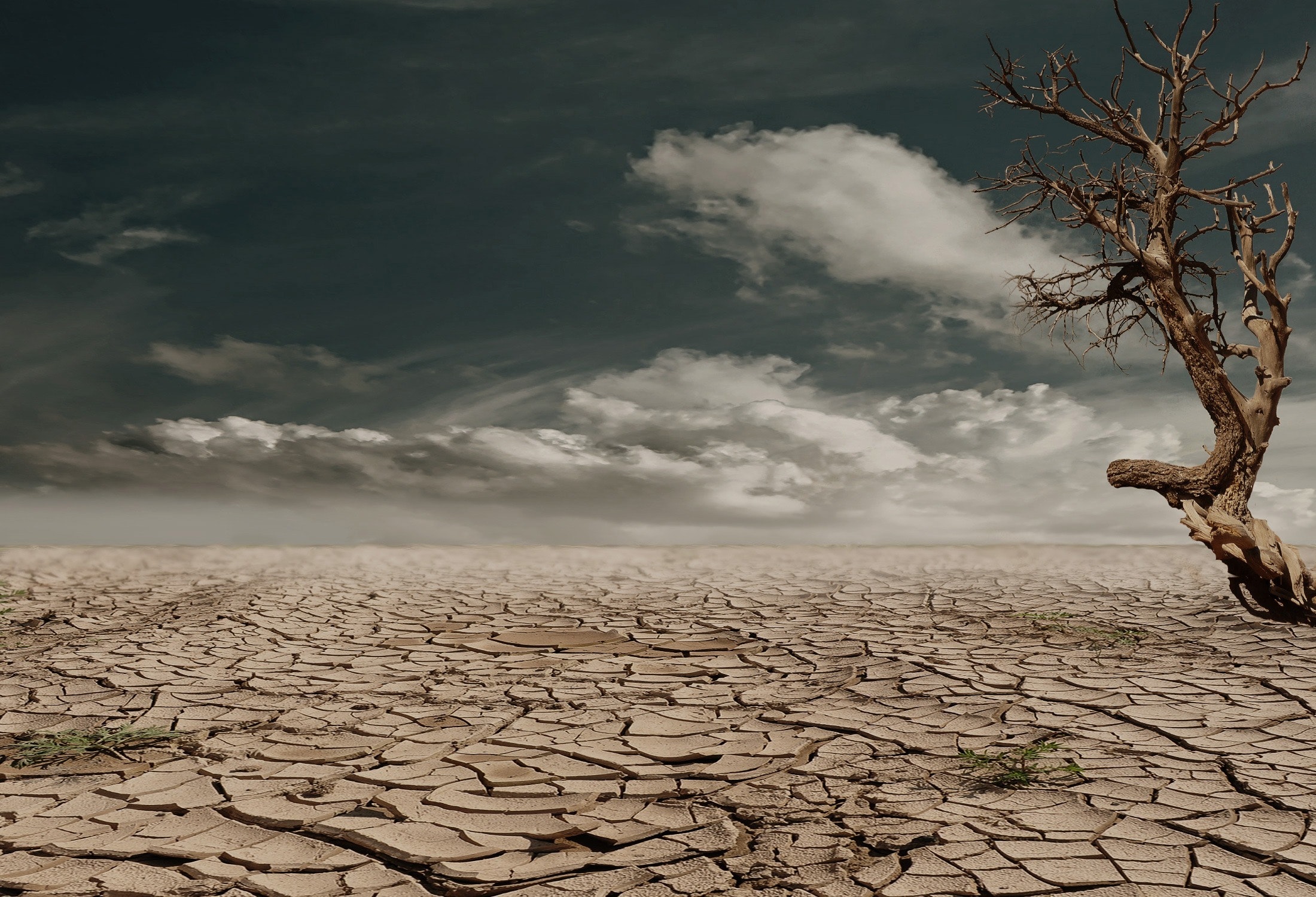
The increase in global temperature is significantly altering our planet’s climate, resulting in more
extreme
and
unpredictable weather. For instance, heat waves are becoming more frequent and many places are
experiencing
record
droughts followed by intense rainfalls.
SCIENTISTS AGREE, HUMANS CAUSE CLIMATE CHANGE
Scientists in the United States and the world have reached an overwhelming consensus that climate change
is
real and
caused primarily by human activity. Respected scientific organizations such as the National Academy of
Science, the Intergovernmental Panel on Climate Change (IPCC)
and World Meteorological Association (WMO) have all
identified
climate change as an urgent threat caused by humans that must be addressed.
“The need for urgent action to address climate change is now indisputable.”
FOSSIL FUELS
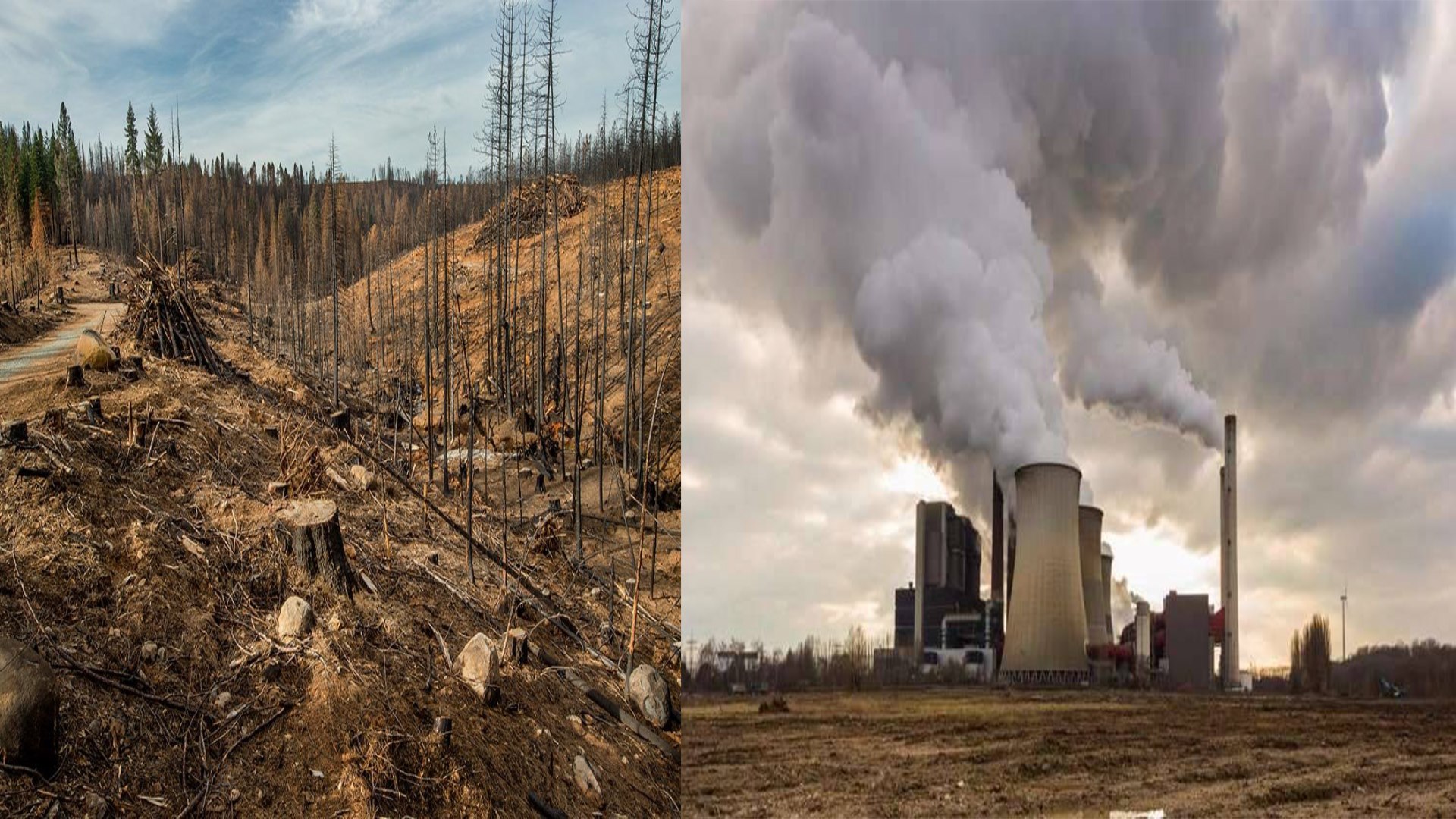
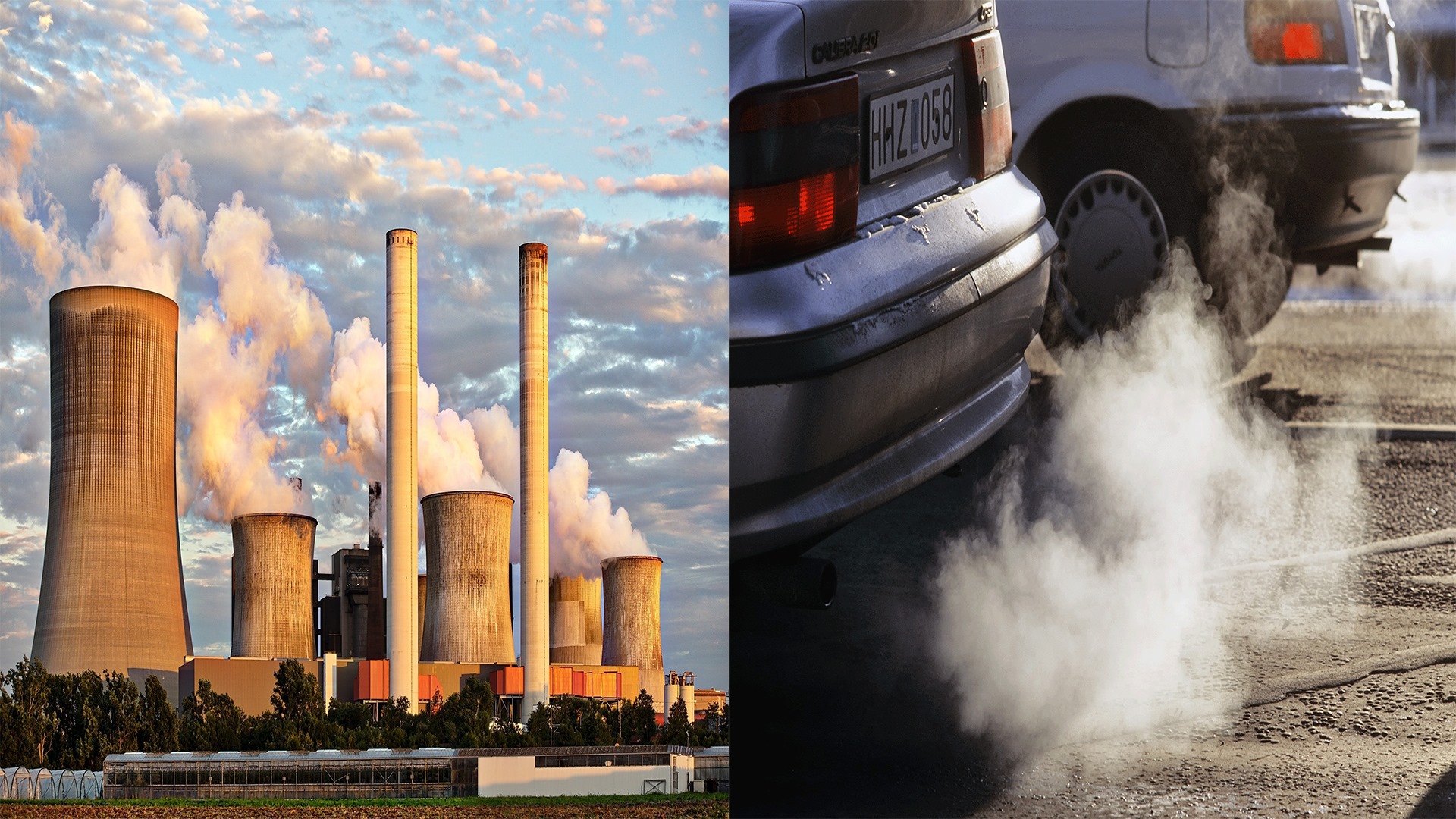
Fossil fuels, such as coal ,oil and natural gas , to generate energy has
the greatest impact on the
atmosphere than any other single human activity. Globally, power generation is responsible for about 23
billion
tonnes of CO2 emissions per year – in excess of 700 tonnes every second. Coal is especially damaging to
our
atmosphere, releasing 70% more carbon dioxide than natural gas for every unit of energy produced.
Car pollution is one of the major causes of global warming. Cars and trucks emit carbon dioxide and other
greenhouse
gases, which contribute one-fifth of the United States' total global warming pollution. Greenhouse gases
trap heat
in the atmosphere, which causes worldwide temperatures to rise. Without greenhouse gases, the Earth
would be covered
in ice, but burning excessive amounts of fossil fuels, such as gasoline and diesel, has caused an
increase of 0.6
degrees Celsius, or 1 degree F, in global temperatures since pre-industrial times, and this will
continue to rise
over the coming decades. Warmer global temperatures affect farming, wildlife, sea levels and natural
landscapes.
The effects of car pollution are widespread, affecting air, soil and water quality. Nitrous oxide
contributes to the depletion of the ozone layer, which shields the Earth from harmful ultraviolet
radiation from the sun. Sulfur dioxide and nitrogen dioxide mix with rainwater to create acid rain,
which damages crops, forests and other vegetation and buildings. Oil and fuel spills from cars and
trucks seep into the soil near highways, and discarded fuel and particulates from vehicle emissions
contaminate lakes, rivers and wetlands.
Video
>
Deforestation & Tree-Clearing
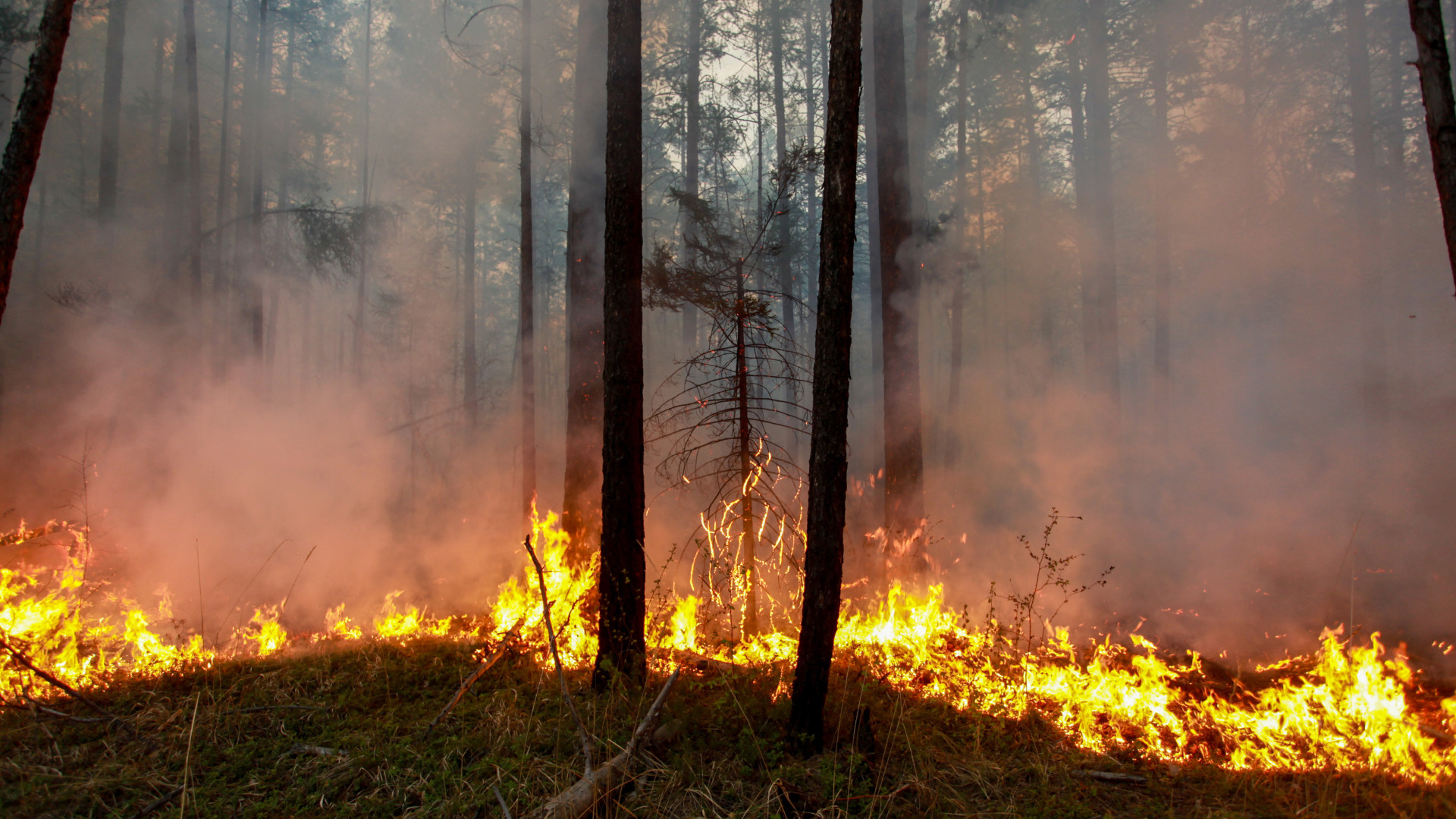
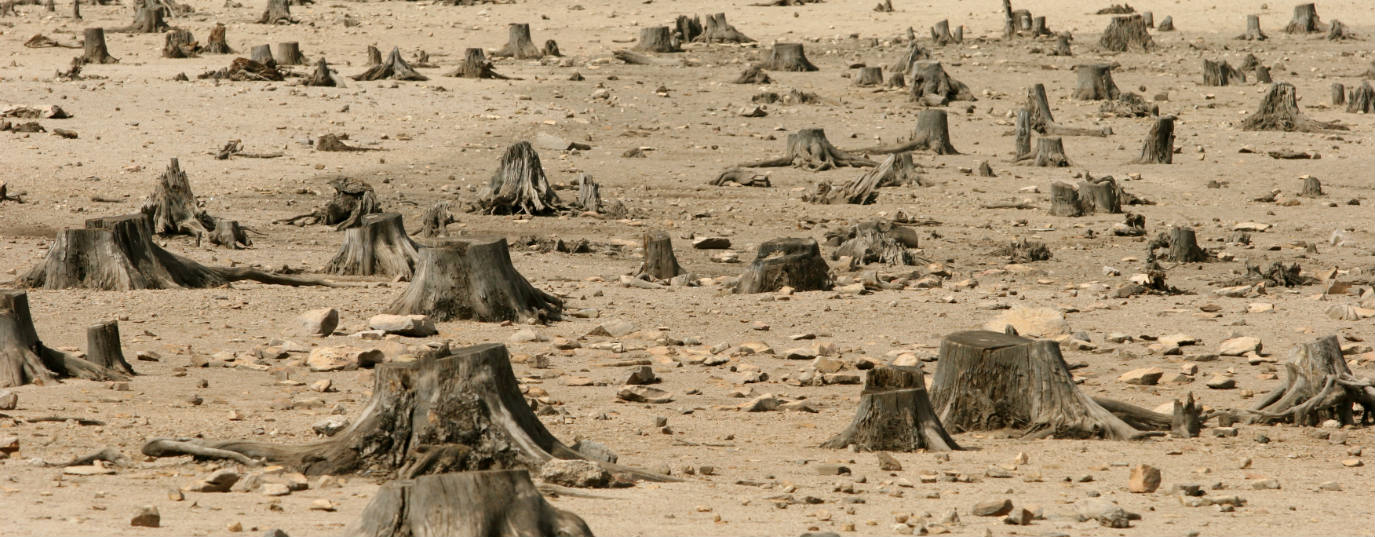
From logging, agricultural production and other economic activities, deforestation adds more atmospheric
CO2 than the
sum total of cars and trucks on the world's roads.
By most accounts, deforestation in tropical rainforests adds more carbon dioxide to the atmosphere than
the sum total
of cars and trucks on the world’s roads. According to the World Carfree Network (WCN), cars and trucks
account for
about 14 percent of global carbon emissions, while most analysts attribute upwards of 15 percent to
deforestation.
The reason that logging is so bad for the climate is that when trees are felled they release the carbon
they are
storing into the atmosphere, where it mingles with greenhouse gases from other sources and contributes
to global
warming accordingly. The upshot is that we should be doing as much to prevent deforestation as we are to
increase
fuel efficiency and reduce automobile usage.
According to the Environmental Defense Fund (EDF), a leading green group, 32 million acres of tropical
rainforest
were cut down each year between 2000 and 2009—and the pace of deforestation is only increasing. “Unless
we change
the present system that rewards forest destruction, forest clearing will put another 200 billion tons of
carbon into
the atmosphere in coming decades…,” says EDF.
“Any realistic plan to reduce global warming pollution sufficiently—and in time—to avoid dangerous
consequences must
rely in part on preserving tropical forests,” reports EDF. But it’s hard to convince the poor residents
of the
Amazon basin and other tropical regions of the world to stop cutting down trees when the forests are
still worth
more dead than alive. “Conservation costs money, while profits from timber, charcoal, pasture and
cropland drive
people to cut down forests,” adds EDF. Exacerbating global warming isn’t the only negative impact of
tropical
deforestation. It also wipes out biodiversity: More than half of the world’s plant and animal species
live in
tropical rainforests.
One way some tropical countries are reducing deforestation is through participation in the United
Nations’ Reducing
Emissions from Deforestation and Forest Degradation(REDD) program. REDD essentially works to establish
incentives
for the people who care for the forest to manage it sustainably while still being able to benefit
economically.
Examples include using less land (and therefore cutting fewer trees) for activities such as coffee
growing and meat
and milk production. Participating nations can then accrue and sell carbon pollution credits when they
can prove
they have lowered deforestation below a baseline. The REDD program has channeled over $117 million in
direct
financial aid and educational support into national deforestation reduction efforts in 44 developing
countries
across Africa, Asia and Latin America since its 2008 inception.
Brazil is among the countries embracing REDD among other efforts to reduce carbon emissions. Thanks to
the program,Brazil has slowed deforestation within its borders by 40 percent since 2008 and is on track to achieve
an 80 percent reduction by 2020. Environmentalists are optimistic that the initial success of REDD in Brazil bodes
well for reducing deforestation in other parts of the tropics as well.
Video
Ways to Stop Global Warming
Reduce Fossil Fuel Use
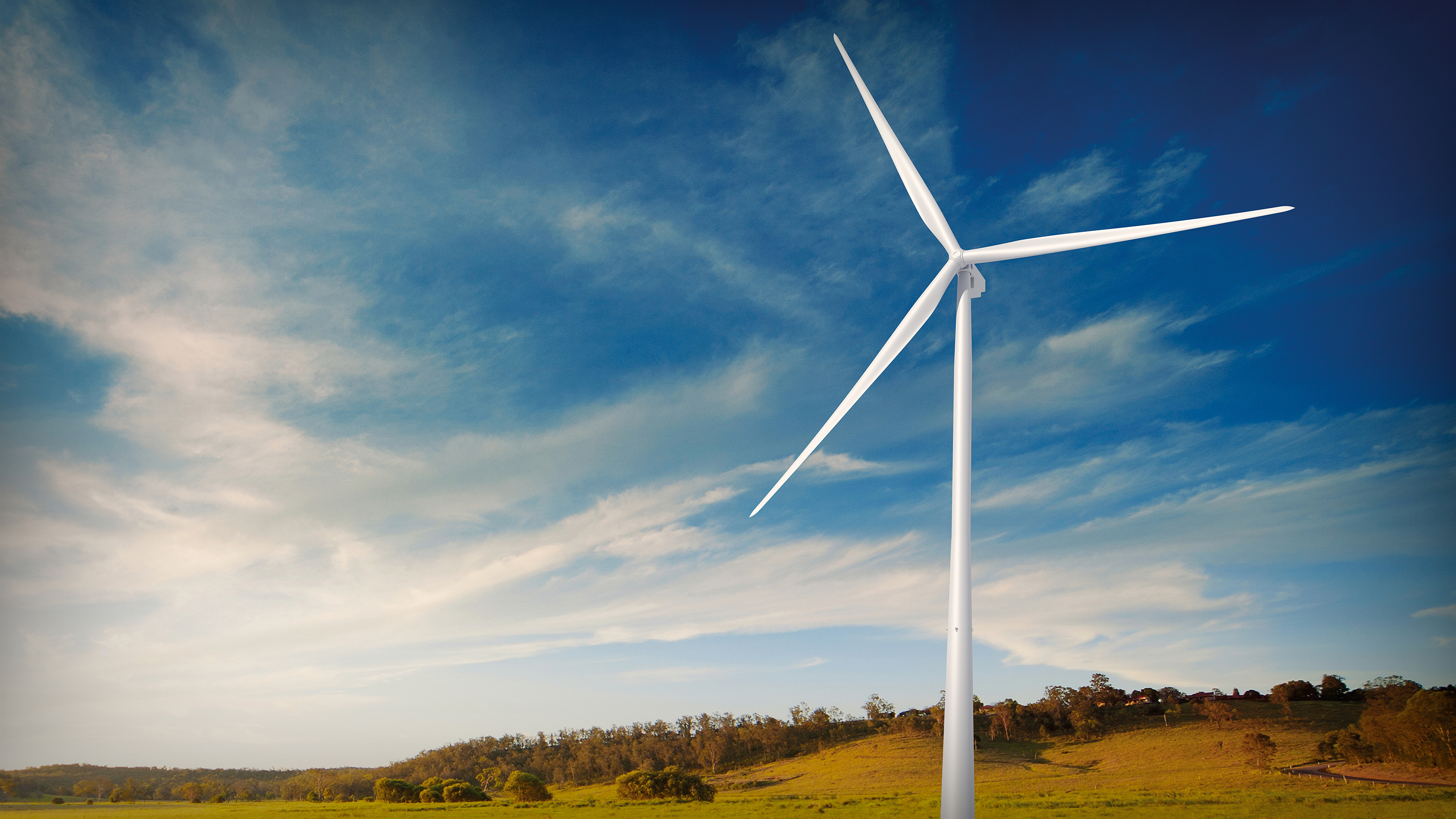
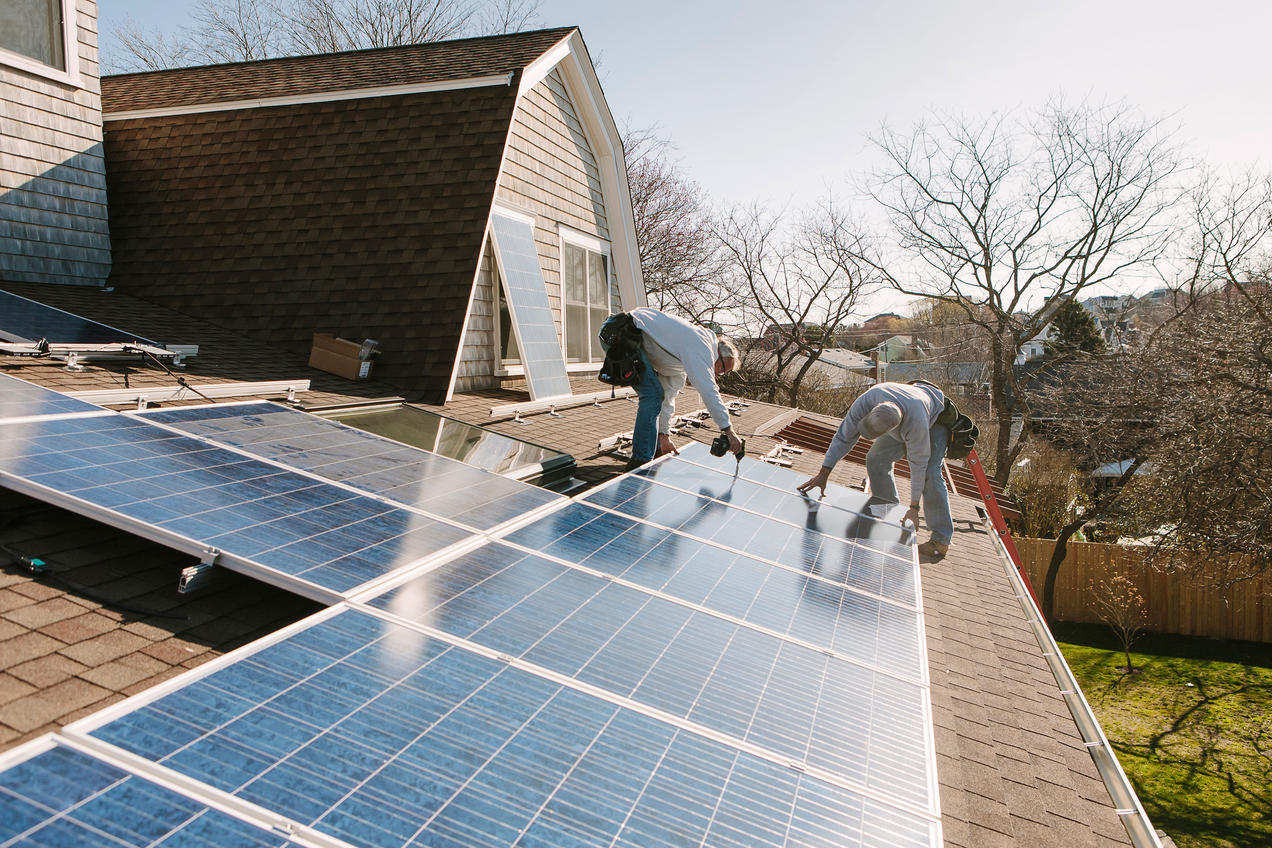
Burning fossil fuels increases the levels of greenhouse gases in the atmosphere. There are two ways to reduce fossil
fuel use: Use less energy, or use alternative, nonpolluting energy sources like solar and wind power. At home, this translates to saving electricity by using energy-efficient appliances and compact
fluorescent light bulbs, as well as reducing gasoline use and buying green power from your electricity provider, if
available
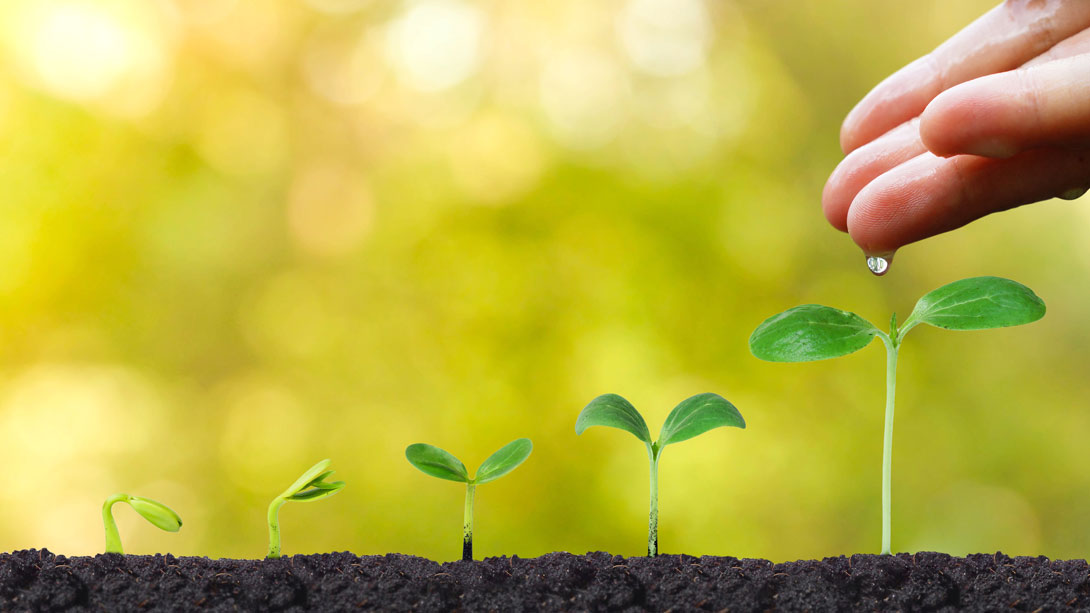
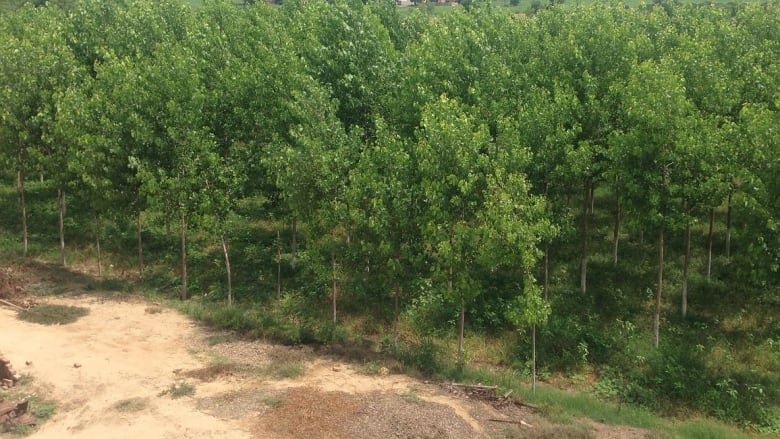
Plant Trees
Because carbon dioxide is the most important greenhouse gas, planting trees and other plants can slow or stop global
warming. Plants take in carbon dioxide and release oxygen. They use carbon to build their own tissues and return
some of it to the soil in a process called sequestration. Deforestation of rain forests is a large contributor to
global warming and CO2 emissions, but planting new trees, even in your own backyard, can help to offset this.
Help the planet
Plant a tree
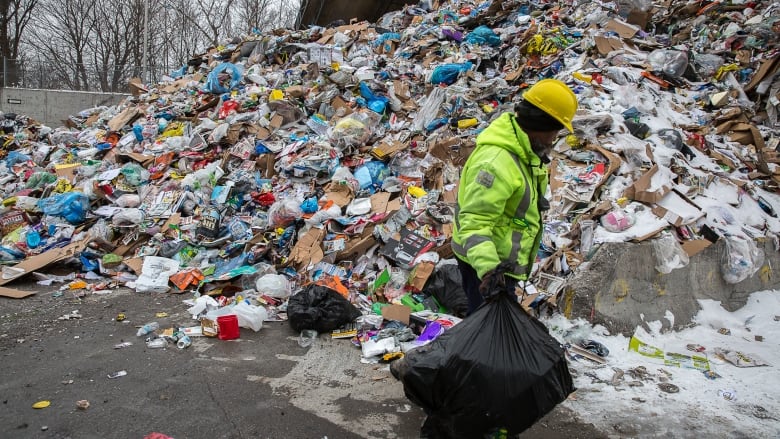
Reduce Waste
The production of garbage contributes to global warming both directly and indirectly. Decomposing waste in landfills
produces methane and other greenhouse gases. Waste also requires energy to manufacture in the first place. Reducing
your consumption patterns and reusing items whenever possible minimizes your carbon footprint, since fewer new items
need to be made. Recycling metal, plastic, glass and paper lowers greenhouse gas emissions, since recycled items
take far less energy to manufacture than items produced from scratch.
Conserve Water
Cities consume significant amounts of energy when purifying and distributing water, which contributes to greenhouse
gas emissions. Saving water reduces the amount of energy used. At home, turn off water immediately whenever you're
not using it, and repair or replace leaky faucets and toilets. In your yard, landscape with plants and grasses that
require less water, and capture rainwater in barrels for irrigating.